Florida Buyer Broker Agreements in 2026
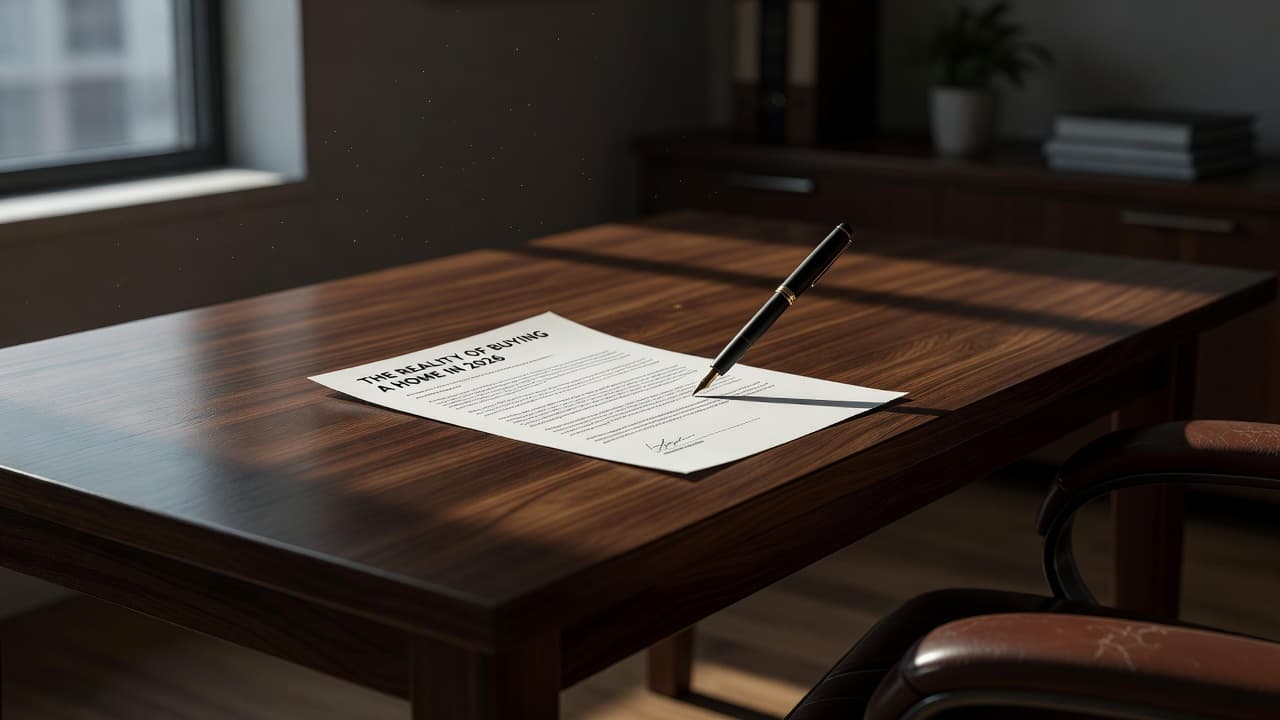
A buyer broker agreement in Florida is now part of many home searches, especially if you want to tour homes with a Realtor. In 2026, the bigger question is less about the form itself and more about the person asking you to sign it.
A Trusted Real Estate Agent should explain the agreement in plain language. If the conversation feels rushed, vague, or pushy, that is a warning sign before you ever step inside a house.
The short answer for Florida buyers in 2026
For most buyers working with a Florida MLS agent, yes, expect a written agreement before the first home tour. That is the practical reality in 2026, and it matters even if the legal details feel fuzzy at first.
The rule is not the same as a simple Florida state law headline. It comes from recent industry changes and MLS practice, while Florida brokerage rules still shape the relationship underneath. One agreement can also cover more than one property if the form allows it.
If you are shopping on your own, or talking only with a seller's agent, the answer can change. That is why the details matter before you assume every home search works the same way.
If an agent wants your signature but can't explain the terms, slow down.
A buyer broker agreement should not feel like a trap. It should feel like a clear handshake in writing.
What a buyer broker agreement should make clear
A good agreement tells you exactly what you are agreeing to. It should spell out the length of the relationship, the area it covers, how compensation works, and how either side can end it.
That conversation should happen before pressure enters the picture. A Trusted Real Estate Agent will walk through the form, answer direct questions, and explain what changes if you want to see homes in another part of the state.
The strongest agents also explain what they do for you. They talk about showings, offer guidance, local pricing, and communication. They do not make the agreement sound like a mystery document you should sign and forget.
Look for these basics before you sign:
- The term of the agreement is easy to understand.
- The geographic area or property type is clear.
- Compensation is explained in plain language.
- The process for ending the agreement is easy to find.
- The agent's duties are written in a way that matches the conversation.
When those points are clear, the form is doing its job. When they are hidden or rushed, the relationship starts on shaky ground.
Signs you're dealing with a good realtor
Good realtors do a few things early, and those habits tell you a lot. They listen first, then they recommend homes that fit your budget, your timing, and your comfort level.
They also stay steady when you ask direct questions. A solid agent will not get weird about fees, contracts, or commission talk. Instead, they answer like a professional who expects informed buyers.
Here are a few signs you are talking to the right person:
- They ask about your needs before they start sending listings.
- They know your target neighborhoods and can explain price trends.
- They give honest feedback when a home is overpriced or poorly located.
- They explain documents in simple words instead of legal fog.
- They respect your pace and don't push you into decisions.
Bad agents tend to show the opposite pattern. They may rush you, talk over you, or dodge basic questions about representation. Some try to create urgency before trust exists. Others sound confident until you ask one practical follow-up.
That is where the difference becomes obvious. Good agents reduce stress. Weak ones add it.
Questions that separate strong agents from weak ones
A few direct questions can tell you a lot before you sign a buyer broker agreement in Florida. The answers should be clear, calm, and easy to repeat back.
| Question | Good answer sounds like | Red flag sounds like |
|---|---|---|
| How long does this agreement last? | "We can review the term and make sure it fits your search." | "Don't worry about that part." |
| What homes does it cover? | "It covers the areas and property types we discussed." | "We'll figure it out later." |
| How are you paid? | "Let me explain the compensation language clearly." | "That's complicated, so let's skip it." |
| Can I end it if we're not a fit? | "Yes, here's the process and timing." | "We should not need to talk about that." |
Clear answers usually point to a good agent. Vague answers usually point to someone who is more interested in getting the signature than earning the trust.
If you still need help sorting through your options, Find a Trusted Agent can help you connect with a full-time professional who fits your search.
When the agreement helps you more than it worries you
A buyer broker agreement can actually make the process easier. That is especially true if you are relocating, buying your first home, or looking in a busy market where homes move fast.
The agreement gives both sides a clear path. You know who is working for you, how long the relationship lasts, and what the agent should deliver. The agent knows you are serious and ready to move forward with structure.
That clarity matters when emotions run high. Home buying can feel a lot like crossing a busy street with a shopping cart full of glass. A little structure keeps things from turning messy.
The agreement is most helpful when the agent is honest, patient, and organized. It becomes a problem when someone uses it to pressure you, hide details, or lock you into a bad fit.
If that happens, pause. A good agent should make the paperwork easier, not heavier.
Conclusion
In Florida, the answer in 2026 is usually yes, you should expect a buyer broker agreement before touring homes with an MLS agent. The real question is whether the person asking for your signature is worth trusting.
A good agent explains the form, answers fee questions, and keeps the process simple. A bad agent rushes, dodges, or makes you feel small for asking basic questions.
The best buyers do not start with the first house they tour. They start with the right person sitting across the table.
Recent Posts