
Florida Referral Agents: Choosing a Trusted Realtor for Your Own Home
Picking the wrong agent can cost you time, money, and peace of mind. That matters even more if you're a Florida referral agent buying your own home, because the pressure to choose quickly can blur the signs.
The safest move is to look for clear habits, not smooth talk. A strong agent gives you facts, keeps you updated, and makes the process feel organized.
What a good real estate agent does before you sign
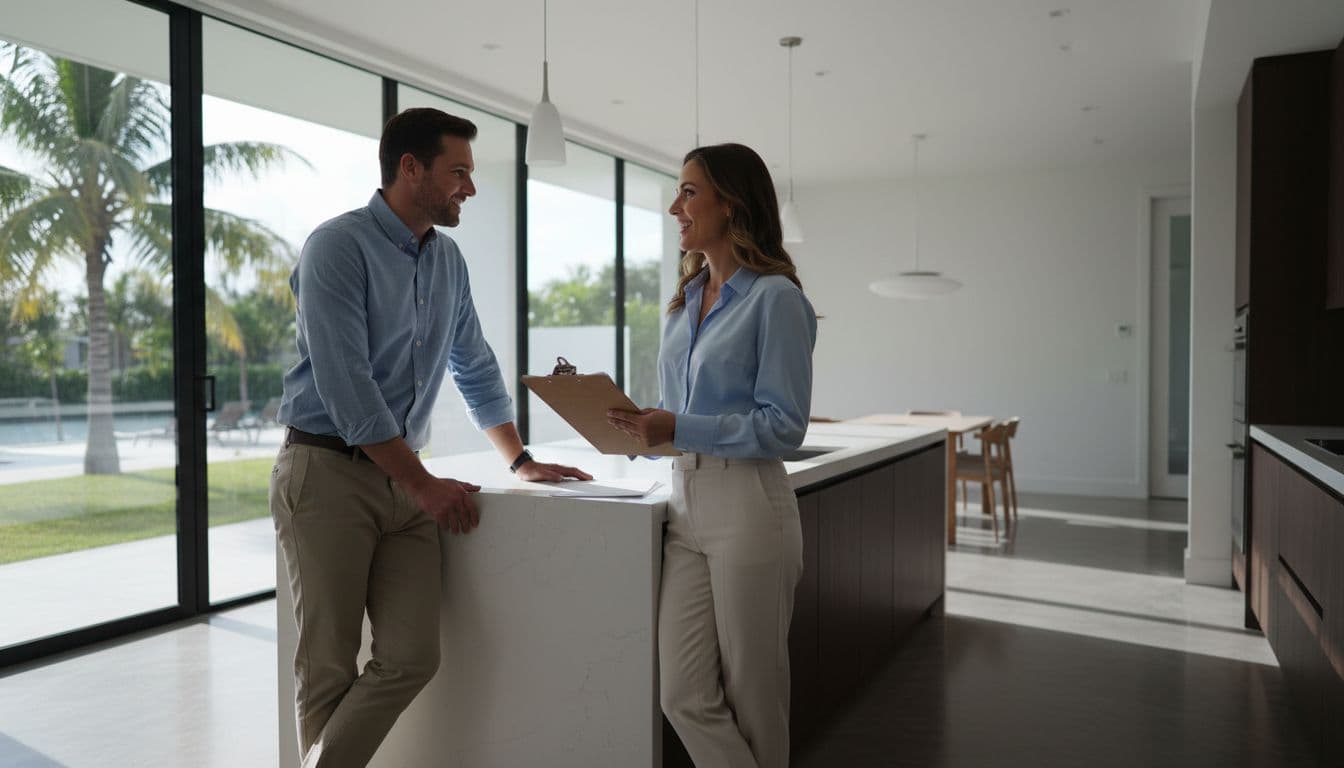
A good agent starts by asking the right questions. They want to know your budget, your timeline, your location, and your must-haves before they suggest a single property.
That first conversation should feel useful. You should leave with a clearer plan, not a pile of vague promises.
A trusted real estate agent also explains the local market in plain language. They talk about recent sales, likely competition, insurance concerns, HOA rules, and repair issues without making you feel lost.
They do not rush you into agreement. Instead, they help you understand the tradeoffs so you can make a smart choice.
Look for these signs early:
- They return calls and texts quickly.
- They answer questions directly.
- They know the neighborhoods you care about.
- They explain the next step before you ask.
- They give realistic pricing and timing advice.
If you want a simple place to start, Find a Trusted Agent can connect you with a full-time pro who fits your needs.
A good agent also makes the first meeting feel calm. That matters because calm people make better decisions.
Red flags that separate a bad realtor from a good one
A good agent gives you facts. A bad one gives you pressure.
Bad agents often sound confident before they sound informed. They may talk fast, skip details, or act annoyed when you ask basic questions.
You can spot trouble when an agent does any of these things:
- Promises a price before seeing enough data.
- Dodges questions about recent deals.
- Talks more about earning a commission than your goals.
- Pushes you to sign before you feel ready.
- Fails to explain common Florida issues like insurance, repairs, or HOA limits.
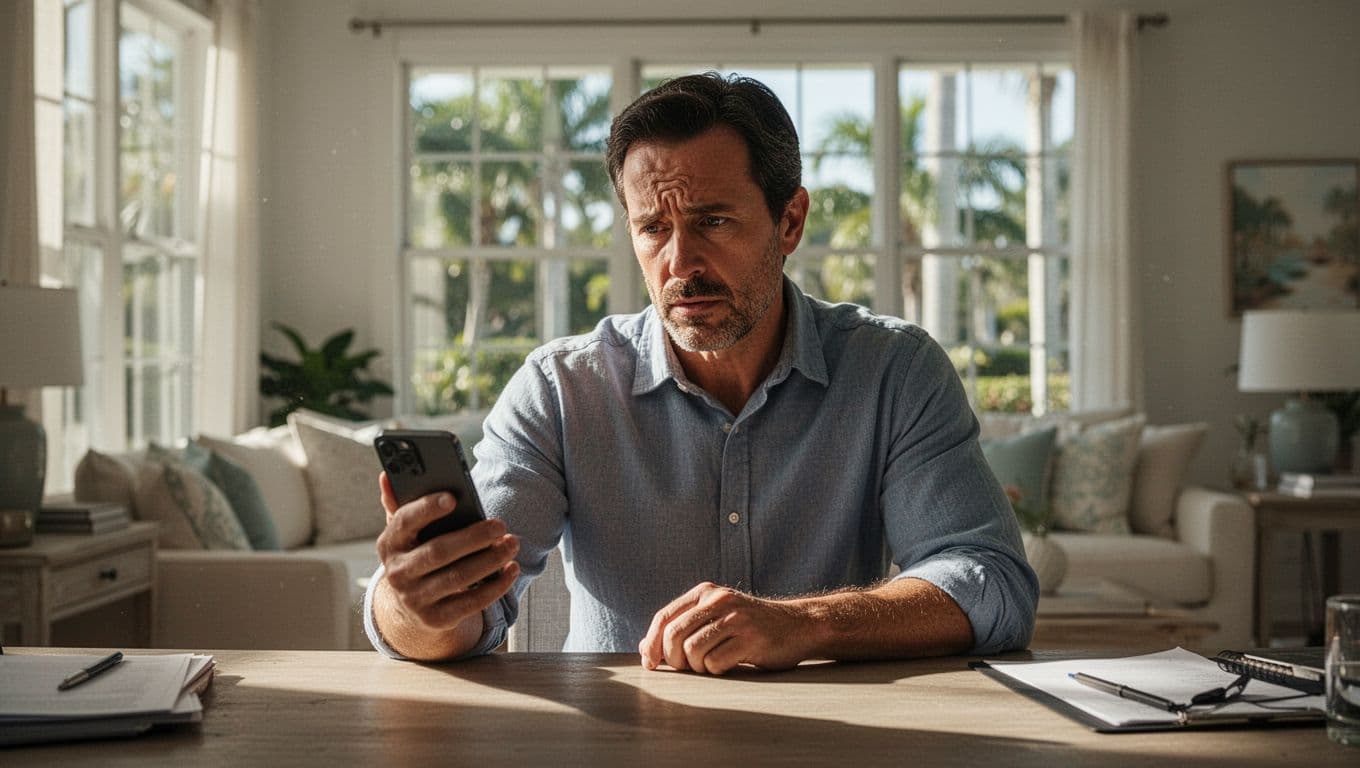
Missed calls are another warning sign. So are long gaps between updates, especially when a deadline is close.
A weak agent may also pretend that every home is a perfect fit. That sounds nice at first, but it usually hides poor judgment.
If an agent keeps leaving you in the dark, keep moving. You can also check a Florida license through the DBPR site before you move forward.
How to compare agents without getting lost in sales talk
When you compare agents, ask the same questions each time. That makes it easier to hear the difference between real skill and polished wording.
The best answers include details. You want examples from recent deals, not broad claims about being "the best in town."
Here is a simple way to compare what you hear:
| What you hear | What it means | Better sign |
|---|---|---|
| "We can sell or buy at almost any price" | They may be guessing | They show comps and explain the range |
| "Don't worry about the paperwork" | They may gloss over details | They explain forms in plain words |
| "Sign today and think later" | Pressure is driving the deal | They give you time to review |
| "I know the market" | Could be true, could be empty | They name neighborhoods and recent sales |
The right agent does not try to impress you with jargon. They sound prepared because they are prepared.
Also, pay attention to how they handle a hard question. A good agent gives a straight answer, then explains the options.
Choosing an agent for your own Florida home purchase
If you are buying your own home, treat the search like any other major decision. You still want experience, patience, and clear communication.
That matters even more if you already know the industry. A strong agent should respect your knowledge without getting defensive.
Ask who will handle the details, how they explain representation, and how they keep your goals separate from their own. If a person seems confused by that question, keep looking.
The best fit is someone who is organized, steady, and honest when the answer is not flattering. That is the person who protects your time.
Conclusion
A good agent is easy to spot once you know the signs. They listen first, communicate fast, and tell you the truth even when it slows the deal.
A bad agent leaves you guessing, rushing, or doing their job for them. That is the kind of stress you do not need when buying a home.
If you are still sorting through options, Find a Trusted Agent is a practical place to start.
Recent Posts