

Real Estate Referral Fee Taxes in 2026 and How to Spot a Trustworthy Agent
Money questions can make any home deal feel shaky. When a referral fee enters the picture, buyers and sellers often wonder who pays it, who reports it, and whether it changes the advice they're getting.
Here's the short version: referral fee taxes usually matter to the agent or brokerage receiving the fee, not to you as the client. Still, the way an agent explains that issue tells you a lot about whether you're dealing with a Trusted Real Estate Agent or someone who hides behind vague answers.
Referral fee taxes affect agents, but honesty affects you
A referral fee is usually paid when one licensed brokerage or agent sends a client to another and the deal closes. In many markets, that fee lands somewhere around 20 to 35 percent of the receiving side's commission. It does not usually create a new tax bill for the buyer or seller.
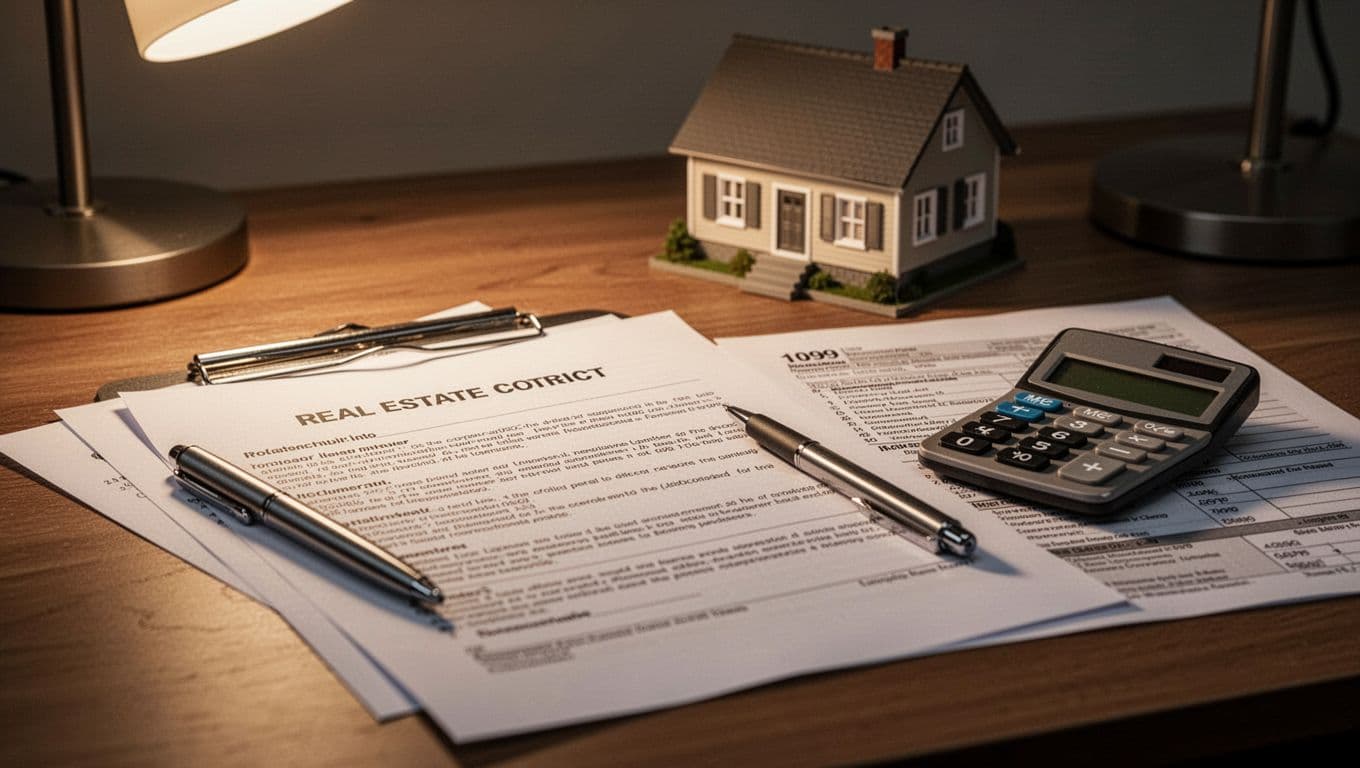
In 2026, the tax basics are still familiar. Referral fees count as taxable business income to the person or business receiving them. Self-employed agents often report that income on Schedule C. Also, when a business pays $600 or more to a nonemployee, Form 1099-NEC may apply, with a January 31 filing deadline.
That sounds like back-office work, and mostly it is. However, the client-facing issue is transparency .
A good agent explains where money flows in a deal. They tell you whether a referral fee is coming out of commission, whether their broker is involved, and whether any vendor relationship needs disclosure. They don't act annoyed because you asked.
A bad agent does the opposite. They stay fuzzy about who referred you. They dodge simple questions about fees. They push a lender, inspector, or title company without a clear reason. That's where your guard should go up, because federal rules around kickbacks in settlement services are strict, and state rules can add more detail.
If an agent gets vague about who gets paid, assume the paperwork may be vague too.
That doesn't mean every agent needs to sound like a tax preparer. It means they should know their lane, explain the basics, and tell you when a CPA or attorney should answer the rest. If you'd rather skip the guessing, you can Find a Trusted Agent and get matched with a vetted full-time professional.
What a good real estate agent does differently
The best agents treat money questions like part of the job. They don't flinch when you ask how they're paid. They don't bury fee details in fast talk. Instead, they answer in plain English and put the key points in writing.
A solid agent also respects limits. They won't pretend to give personal tax advice if that's outside their role. Instead, they might say, "This fee is between brokerages, here's how it works on our side, and your tax pro can answer return questions." That kind of answer builds trust because it's clear and honest.
Paperwork tells the same story. Agents who handle referral income well usually keep clean records, written agreements, payment dates, and commission statements. You may never see every document, but you'll feel the result. Emails arrive on time. Disclosures are easy to follow. Nothing changes at the last minute without a reason.
By contrast, a sloppy agent leaves a trail of small problems. They forget to send forms. They promise details later. They speak with confidence, but they don't back it up in writing. In real estate, small money details can grow teeth fast.
This is where real estate referral fee taxes become a useful filter. The issue itself may not change your own return, but it can expose how an agent handles rules, records, and disclosure. In other words, tax talk is often a character test.
Quick checks that reveal a bad realtor fast
A polished website and a friendly smile can win attention. Neither one proves competence. What matters is how the agent responds when you ask direct questions about money, referrals, and vendor recommendations.
Use this quick comparison before you sign anything:
| What you ask | Good agent | Bad agent |
|---|---|---|
| How are you paid? | Gives a simple, direct answer | Stays vague or defensive |
| Who referred me? | Explains the relationship clearly | Acts like it doesn't matter |
| Do you recommend vendors? | Shares why, and discloses ties | Pushes names without context |
| Can you put fees in writing? | Says yes, right away | Delays or avoids it |
| What happens if I have concerns? | Offers broker support and next steps | Tells you to "trust the process" |
The pattern matters more than one imperfect answer. Even a strong agent may need to check a brokerage policy or state rule. That's normal. What you want is someone who checks facts instead of bluffing.
If an agent can't explain basic real estate referral fee taxes in plain language, that alone doesn't make them a bad realtor. However, if they dodge, guess, or act like rules are optional, move on. A trustworthy agent doesn't need to know every tax line by memory. They do need to be straight with you, respect the paper trail, and avoid conflicts that smell wrong.
Good agents make hard topics feel simpler. Bad agents make simple topics feel foggy. That difference shows up early, long before closing day.
A referral fee may sit behind the scenes, but the behavior around it is out in the open. That's why money questions are so useful when you're choosing representation.
The right agent isn't the loudest one or the smoothest one. It's the one who answers clearly, documents the details, and treats your trust like it has to be earned.
Recent Posts