

How to Find a Trusted Real Estate Agent in Florida
If your search started with referral-only agents in Florida, the real goal is still the same, finding a trusted local pro. A good real estate agent can save you from bad pricing, weak communication, and surprise costs. The wrong one can waste weeks and make a simple move feel heavy.
That matters in Florida, where insurance, flood zones, HOA rules, and fast-moving listings can change the math. The signs are there if you know what to watch for. Start with what a good agent does before you ever step into a home.
What a good Florida agent does before the first showing
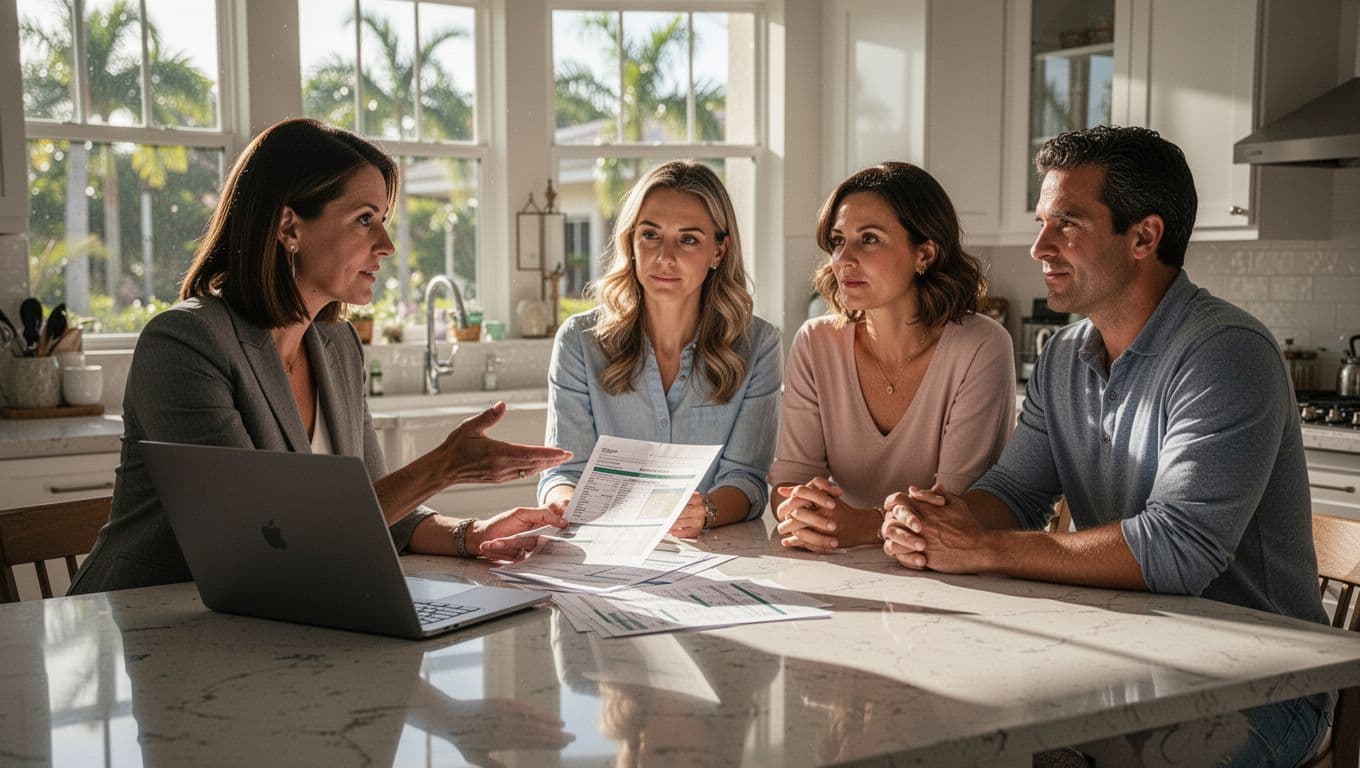
A strong agent starts by listening. They ask where you want to live, how soon you need to move, what your budget really looks like, and what you will not compromise on. That first call should feel like a planning session, not a sales pitch.
Then they explain the market in plain language. They should be able to talk about recent sales, current competition, and why one home is priced higher than another. A Trusted Real Estate Agent does not hide behind vague praise or soft promises.
They also prepare you for costs that catch many buyers off guard. In Florida, that often means insurance, taxes, flood risk, and HOA dues. If they skip those topics early, they may not be giving you the full picture.
Good agents also set communication expectations right away. They tell you how fast they respond, how they share updates, and how they handle urgent questions. That kind of clarity matters because a missed text can mean a missed home.
Finally, they know when to slow you down. A solid agent will say, "This home may not fit your goals," even if that answer delays a sale. That honesty is a good sign.
Good agent signals and bad realtor red flags
Once you compare a few agents, patterns appear fast. The best ones sound clear, calm, and prepared. The weak ones sound rushed, fuzzy, or overly eager to close.
| Area | Good agent | Bad realtor |
|---|---|---|
| Response time | Replies quickly and sets clear expectations | Disappears for days or answers when it's convenient |
| Local knowledge | Knows neighborhoods, streets, schools, and fees | Gives broad answers with no real detail |
| Pricing guidance | Explains comps and monthly costs | Offers guesses with little backup |
| Communication | Keeps you updated without being chased | Leaves you guessing after every step |
| Judgment | Warns you when a home is a poor fit | Pushes you toward a deal that benefits them |
When an agent cannot explain a price, they usually do not understand it well enough yet.
A good agent does not need to sound flashy. They need to sound specific. If they can explain why a home is worth the number, what may need repair, and what the next step looks like, you are on the right track.
Bad agents often lean on pressure. They may push you to move fast without giving you the reason. They may also act offended when you ask direct questions. That is a problem, because you need someone who welcomes the questions, not someone who avoids them.
Look for consistency too. One strong conversation is nice, but it is not enough. The best agents show the same care in texts, calls, showings, and follow-up.
Questions that reveal skill fast
A short interview can tell you a lot. You do not need a long meeting. You need honest answers that sound real.
Try these questions:
- How do you decide whether a home is priced right? A strong agent should talk about recent sales, condition, and current demand.
- What would make you tell me to walk away? Good agents have a clear answer and do not fear it.
- How do you factor in insurance, flood zones, and HOA fees? In Florida, this question matters as much as list price.
- How often will you update me? You want a direct answer, not a vague promise.
- What recent deals have you handled in this area? Recent local experience matters more than a polished profile.
Pay attention to how they answer, not just what they say. A prepared agent gives examples. They explain their thinking. They also admit when they need to check a detail.
That honesty is more useful than confidence for its own sake. You want someone who knows where the risks are and can explain them without jargon. If they use simple words and stay specific, that is a strong sign.
Why local knowledge matters so much in Florida
Florida is not one market. Miami, Tampa, Orlando, Jacksonville, and smaller coastal towns all behave differently. Even within one city, two nearby neighborhoods can have very different prices, insurance costs, and HOA rules.
A good agent knows those differences. They can tell you why one side of a street sells faster, or why a condo looks affordable until fees are added. They should also understand how weather risk affects value and timing.
Local knowledge also shows up in small things. A good agent knows which inspectors are careful, which lenders move fast, and which contractors return calls. Those connections help when you need quick answers after an offer or inspection.
If you are buying from out of state, that local know-how matters even more. A good agent can handle virtual tours, send clear video walk-throughs, and explain what you cannot see on the listing page. That saves time and prevents bad surprises.
The best agents do more than unlock doors. They help you compare choices with a local lens. That is where real value lives.
How to choose the right agent with confidence
The easiest way to narrow the field is to speak with at least two or three agents. Compare how each one listens, explains, and follows up. You will notice the differences fast.
You should also check their license status through the Florida DBPR site. Then look at recent listings, recent closings, and the dates on their activity. A busy, current agent often has a better feel for today's market than someone who only talks about old wins.
Reviews help, but read them carefully. Look for comments about communication, patience, honesty, and local knowledge. A page full of stars means less than a review that explains how the agent solved a real problem.
Trust your own comfort level too. Do they listen without cutting you off? Do they answer direct questions without getting defensive? Do they seem calm when you mention a budget or timing concern?
If you want help starting the search, use Find a Trusted Agent to connect with a local professional who fits your needs. That can save time when you want a more guided first step.
A good match should feel steady, not forced. You should leave the conversation clearer than you were before it started. That is what a reliable agent does.
Conclusion
The right agent makes Florida real estate easier to understand. They answer fast, speak plainly, and bring local context to every decision. They also tell you the truth when a home is overpriced, underprepared, or simply wrong for you.
The wrong agent leaves you guessing. The right one gives you a plan. If you remember one thing, make it this, a Trusted Real Estate Agent should make the process clearer, not more confusing.
Recent Posts