
How to Spot a Trusted Real Estate Agent in Florida
If your search started with "referral-only agents florida", you're probably after the same thing everyone wants, a Trusted Real Estate Agent who knows what they're doing. The real challenge is not finding someone who sounds confident. It's finding someone who can prove it.
A good agent does more than open doors and send listings. In Florida, they should understand local demand, flood concerns, condo rules, and how fast homes move in your area. The right person makes the process feel clear. The wrong one leaves you guessing.
Look for proof, not polished talk
A strong agent can point to recent work, not just repeat nice phrases. They should know your neighborhood, explain current pricing, and talk through how long homes are taking to sell. If they get vague when you ask about recent deals, that tells you a lot.
A quick comparison makes the difference easier to see.
| Area | Good agent | Bad agent |
|---|---|---|
| Local knowledge | Knows prices, timing, and neighborhood differences | Speaks in broad generalities |
| Communication | Replies fast and explains next steps | Takes forever to answer or disappears |
| Pricing advice | Uses recent comps and market facts | Gives you a number with no reason behind it |
| Negotiation | Talks through tradeoffs and options | Pushes you to decide fast |
| References | Shares recent client contacts | Avoids questions about past clients |
The pattern is simple. Good agents can explain their choices. Bad ones expect you to trust them without proof.
Florida-specific knowledge matters more than people think
Florida is not one uniform market. A solid agent should know how flood zones, HOA rules, condo documents, and insurance questions affect a deal. That knowledge matters because the details can change your budget and your timeline.
They should also understand the rhythm of the local market. Some areas attract retirees. Others pull in investors, snowbirds, or first-time buyers. A Trusted Real Estate Agent knows how that mix affects pricing, demand, and how quickly homes move.
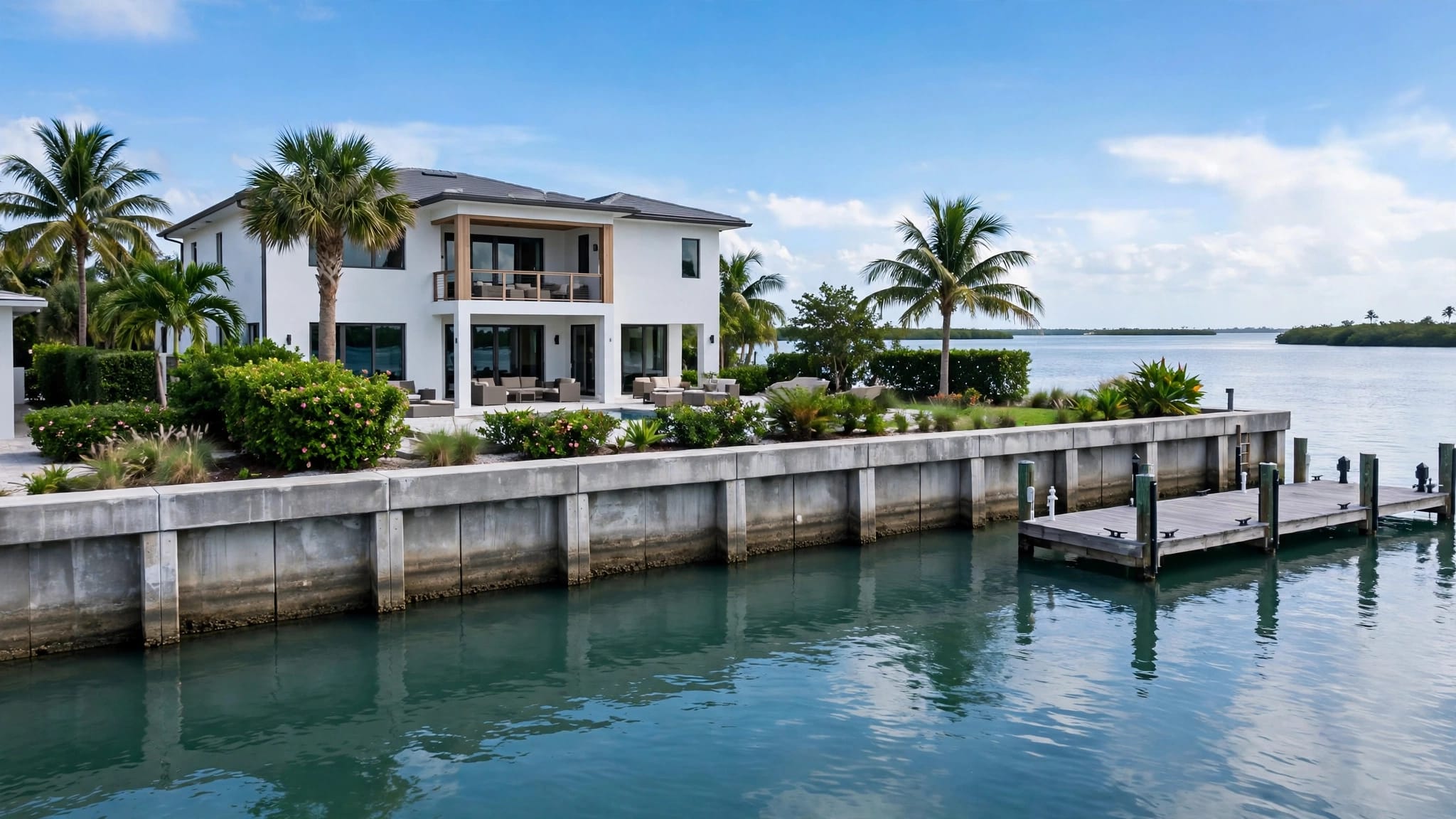
If an agent treats every Florida city the same, keep looking. A home in Tampa doesn't behave like a condo in Miami or a waterfront property in Naples. Local facts matter, and the right agent uses them.
If you want help finding someone who already knows your market, use Find a Trusted Agent.
Red flags show up fast when you ask the right questions
Bad realtors often sound fine until you ask for details. Then the cracks show. They dodge direct questions, rush past your concerns, or promise results they can't back up.
A good agent answers plainly. A bad one hides behind buzzwords.
You can spot trouble early if you pay attention to a few signs:
- They avoid talking about recent sales in your area.
- They speak more than they listen.
- They push you to sign before you're ready.
- They give the same advice to every client.
- They can't explain how they'll keep you updated.
A weak first conversation often becomes a weak working relationship. If they don't listen now, they won't listen later when the stakes are higher.
What a strong first meeting sounds like
The best first meeting feels like a real conversation. The agent asks about your timeline, budget, must-haves, and deal-breakers. They also ask about your comfort level, because good advice depends on your goals.
For buyers, that might mean talking through school zones, commute times, or the type of home that fits your budget. For sellers, it often means discussing repairs, staging, pricing strategy, and what similar homes are doing nearby. A good agent doesn't rush past those details.
You should also notice how honest they are. If your price range is tight, they should say so. If your wish list doesn't fit the market, they should say that too. Straight answers may not always feel exciting, but they save you time and stress.
When you're comparing agents, ask yourself one simple thing: does this person seem informed, calm, and direct? If the answer is yes, you're on the right track.
Good communication is a bigger deal than charm
Some agents are friendly but hard to reach. Others are responsive but hard to understand. The best ones do both. They reply on time, explain things in plain language, and don't leave you waiting for basic updates.
That matters a lot in Florida, where timing can affect showings, offers, and closing plans. A good agent should tell you what happens next without making you chase them. They should also tell you the truth when something changes.
Pay attention to how they handle the first follow-up after you meet. If they send a clear recap, useful next steps, and honest feedback, that's a strong sign. If they vanish or keep everything vague, that's your answer.
Conclusion
A trusted agent earns confidence with facts, not smooth talk. In Florida, that means real local knowledge, clear communication, and honest advice about the market in front of you.
If you remember one thing, make it this: the right agent answers your questions directly and backs up every promise. That is what separates a Trusted Real Estate Agent from someone who only sounds good at first.
Recent Posts