


How to Tell a Good Realtor from a Bad One in Florida
A polished pitch can hide weak service fast. If you want a Trusted Real Estate Agent in Florida, look for clear answers, steady follow-up, and local knowledge you can verify.
The best agents make the process feel simpler, not louder. They explain what they know, admit what they don't, and keep you updated without being chased.
That difference matters more than most people think, because the wrong agent can waste time, money, and momentum.
What a good realtor does before the first showing
A strong agent starts with your goals. They ask about your budget, timing, location, and deal breakers before they talk strategy. That matters because a condo in Miami brings different questions than a single-family home in Orlando.
They also bring data to the first conversation. Expect recent comparable sales, a clear price range, and a reason behind each recommendation. If you're buying, they should explain what inventory looks like in your target area. If you're selling, they should tell you what buyers in that zip code are paying now, not last year.
In Florida, local knowledge also includes flood zones, insurance pressure, HOA rules, and seasonal swings. A good agent treats those as part of the job, not side issues.
A Trusted Real Estate Agent doesn't hide behind charm. They make the numbers, the risks, and the next steps easy to understand.
Good realtor vs bad realtor, side by side
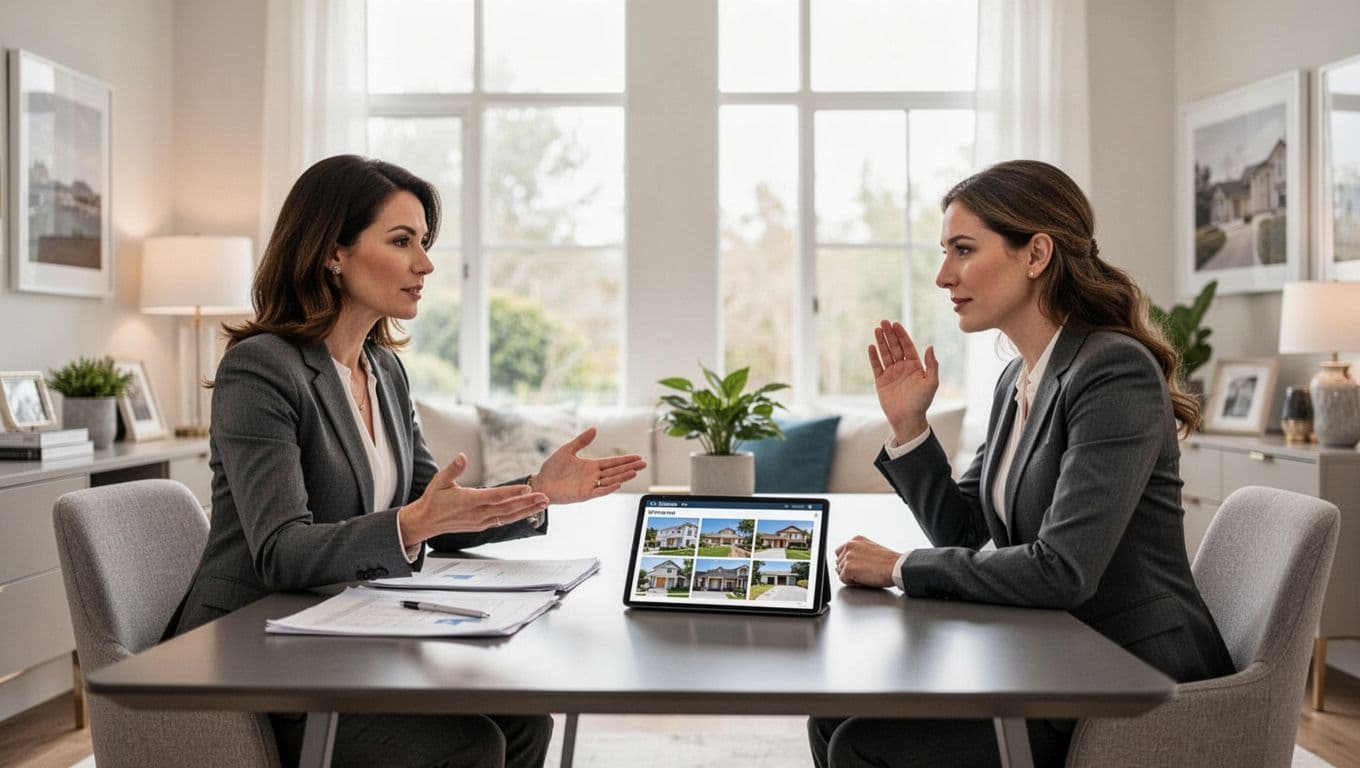
The difference shows up fast when you compare habits side by side. A smooth talker can sound confident, but their behavior tells the truth.
| Area | Good realtor behavior | Bad realtor behavior |
|---|---|---|
| Communication | Returns calls, gives updates, and explains the next step clearly | Disappears after the first meeting or answers only when pushed |
| Local knowledge | Knows recent sales, neighborhood trends, and nearby competition | Speaks in general terms and avoids specifics |
| Pricing advice | Uses comps and market data to support a price | Throws out a number with no explanation |
| Follow-through | Shows up prepared and tracks details | Misses deadlines, forgets names, or loses paperwork |
| Honesty | Says when a deal is weak or a home needs work | Tells you what sounds good, even when it's unrealistic |
A bad agent may sound busy, but busyness is not the same as competence. The best ones stay clear, specific, and calm when the numbers get messy.
If an agent dodges basic questions about recent sales, keep looking.
Questions that reveal real experience
An interview tells you more than a website does. Good agents answer in plain language and don't mind being pressed for examples. Weak ones give broad claims and hope you won't ask twice.
Ask questions that force detail, not slogans.
- How many homes have you closed in my area in the last 12 months?
A real answer should include a number and a neighborhood, not a vague boast. - What recent sale is closest to my situation?
The best answer sounds local and current. You want someone who knows the streets, not just the county. - How do you handle pricing disagreements?
Strong agents explain the tradeoff between speed, exposure, and final price. They don't just push their own opinion. - How do you keep clients updated?
You should hear a clear rhythm, such as texts, calls, or weekly check-ins. Silence is a problem in a moving market. - What went wrong in a recent deal, and how did you fix it?
Good agents admit problems and explain the fix without spinning. That answer tells you a lot about character.
You don't need a perfect script. You need straight answers, a steady tone, and details that hold up.
How to check a Florida agent's track record
Checking track record should feel boring, and that's a good thing. You want proof, not drama.
Start with the Florida Department of Business and Professional Regulation to confirm the license is active. Then read reviews, but look for patterns instead of chasing star counts. One glowing review does not tell you much. Repeated praise for communication and follow-through tells you more.
After that, ask for a few concrete examples.
- Ask for three recent sales in your area.
A good agent can talk about square footage, condition, days on market, and sale price without drifting. - Ask how they handled a hard transaction.
You want to hear how they solved a problem, not how perfect every deal was. - Ask for references when possible.
Past clients often reveal how the agent behaves after the listing appointment or the first offer. - Compare their answers with public facts.
If the story sounds bigger than the record, that is a red flag.
If you hear excuses, missing dates, or fuzzy timelines, move on. A strong agent can explain their work without leaning on vague language.
What to look for in a local fit
Local fit matters because Florida homes come with local quirks. A strong agent should understand condo reserves, HOA rules, flood insurance, storm prep, and how seasonal demand changes in your area. They should also know when a listing needs patience and when it needs urgency.
Communication matters just as much. Some agents are warm but slow. Others are fast but careless. The right fit does both well. They answer calls, explain next steps, and tell you the truth when your plan needs a reset.
Personality matters too, but only after the basics. You want someone whose style works for you, whether you need a calm guide or a sharp negotiator. A good fit feels easy because the agent is prepared, not because they are charming.
If you want a faster way to start, use Find a Trusted Agent to get matched with a vetted local pro. It can save you from sorting through weak options on your own.
Conclusion
A good realtor makes the process feel clear because they know the market and respect your time. A bad one leans on charm, vague promises, or silence.
When you compare answers, track record, and local fit, the choice gets easier. Look for the agent who gives specific examples, stays responsive, and speaks plainly about Florida's real-world issues.
The best sign is simple. You leave the first meeting with more clarity than you had before.
Recent Posts